English
Russian
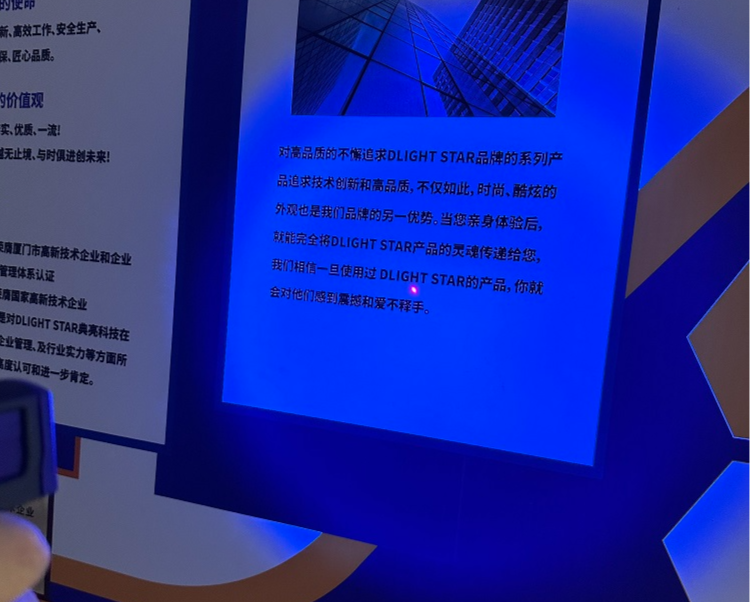
When we make industrial products, we often need to use lasers for positioning. Now the question is : there are two types of lasers: red lasers and green lasers. Which one is better? What are their advantages and disadvantages?
Today let's talk about the difference between red lasers and green lasers. In order to see their differences more intuitively, I made a table.
| Features | Red Lasers | Green Lasers |
| Brightness in Conditions | Less effective in bright daylight or over long distances | 10-50 times brighter; excels in daylight and long ranges |
| Power Consumption | Consumes less power, offering longer battery life | Requires more power, results in shorter battery life |
| Cost | Generally cheaper, cost-effective | Typically more expensive, high-end visibility justifies cost |
| Receiver Compatibility | Compatible with a majority of laser receivers | Compatibility might vary across different devices |
| Optimal Application | Indoor and low-light environments | Outdoor work and well-lit areas |
| Enhancement Options | Paired with a laser detector enhances range and visibility | Enhanced brightness inherently supports visibility without additional equipment |
| Budget-Friendly Choice | Affordable, potential to add a detector matching the cost of a standalone green laser | Higher upfront investment required |
| Visibility Strengths | Adequate for typical indoor usages | Superior visibility, particularly advantageous for long-range and outdoor applications |
| Recommendation | Ideal for budget-conscious users focusing on indoor applications | Preferred for professionals demanding top-tier visibility and extended range |
From the table, we can clearly see the difference between the two.
Red lasers are cheaper then that of green laser and have strong compatibility. They are suitable for use in places with indoor and low-light environments;
Green lasers are brighter than red lasers and have a longer range, but they are relatively expensive. Compatibility might vary across different devices and are suitable for outdoor work and well-lit areas.
In actual applications, we can choose suitable laser products based on our budget and the product's usage scenarios.
So what do you think of my sharing?